01 / Web handling
Stable transport starts at the unwind.
Review incoming foil gauge and condition, then establish a stable web path.
Excessive tension can tear thin hard foil and introduce microholes; an unstable
web also makes consistent coating harder.
Record: foil specification, tension settings and observed web behavior.
02 / Metered application
Coverage matters across the whole width.
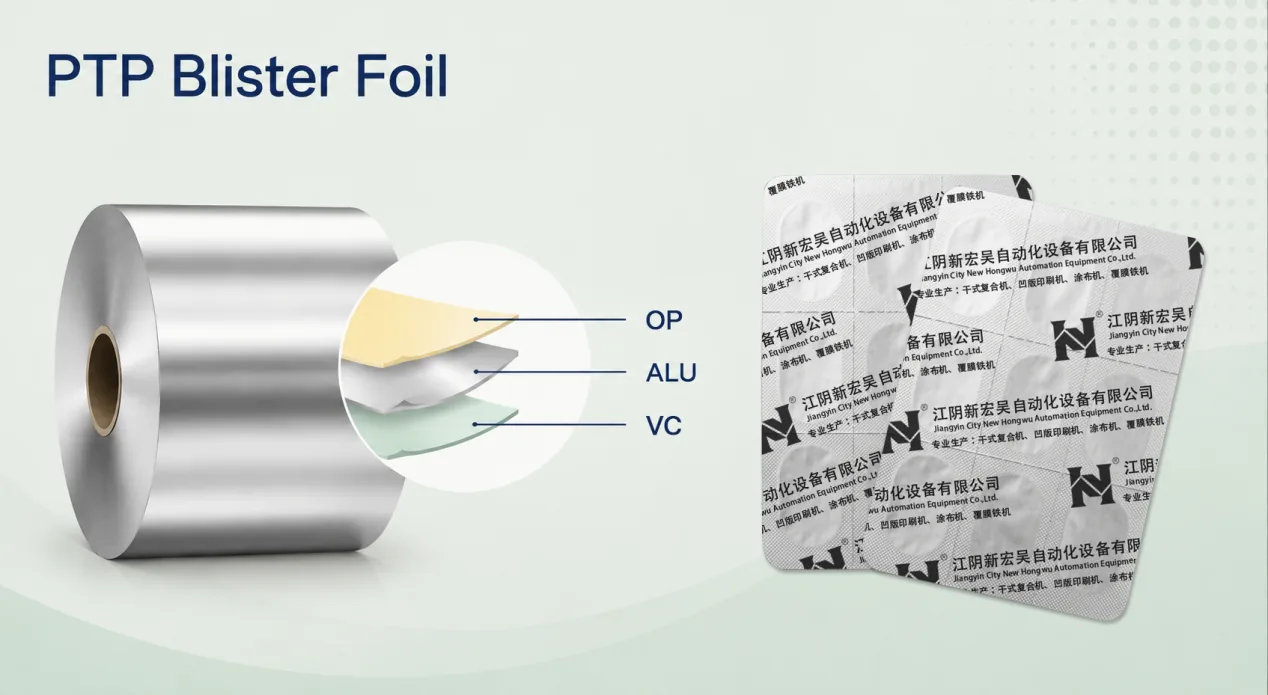
Set application conditions for the selected OP lacquer or VC heat-seal system.
Check coating weight and variation across the web, rather than relying only on an
average value.
Record: lacquer identity, coating-weight basis and samples across the width.
03 / Hot-air drying
Dry the coating with moving hot air.
Hot air transfers heat to the coated foil and carries vapor toward the exhaust.
Review air distribution, solvent load, residence time and exhaust together.
Temperature settings must follow the actual lacquer and operating speed.
Record: zone temperatures, line speed, airflow and the residual-solvent test
result.
04 / Process checks
Inspect before the roll leaves the line.
Check for coating streaks, uncovered areas, wrinkles and foil damage. Retain
representative samples for coating-weight, adhesion and downstream seal
evaluation.
Record: defect position, foil side, sample location and relevant process settings.
05 / Roll quality
Preserve the coated surfaces.
Review foil temperature, coating condition and rewind tension before building the
finished roll. Include roll appearance and any sticking between wound layers in
the trial review.
Record: rewind condition, roll appearance and the agreed release checks.